


Diabetes is a common health condition that affects how your body uses sugar for energy. While the word itself may sound complicated or overwhelming, understanding the basics can help you protect your health and recognize warning signs early.
With awareness, healthy habits, and regular follow-up, many people successfully manage diabetes and live healthy, active lives.
What Is Diabetes?
Your body turns the food you eat into sugar (glucose), which gives you energy. To use that sugar properly, your body needs a hormone called insulin.
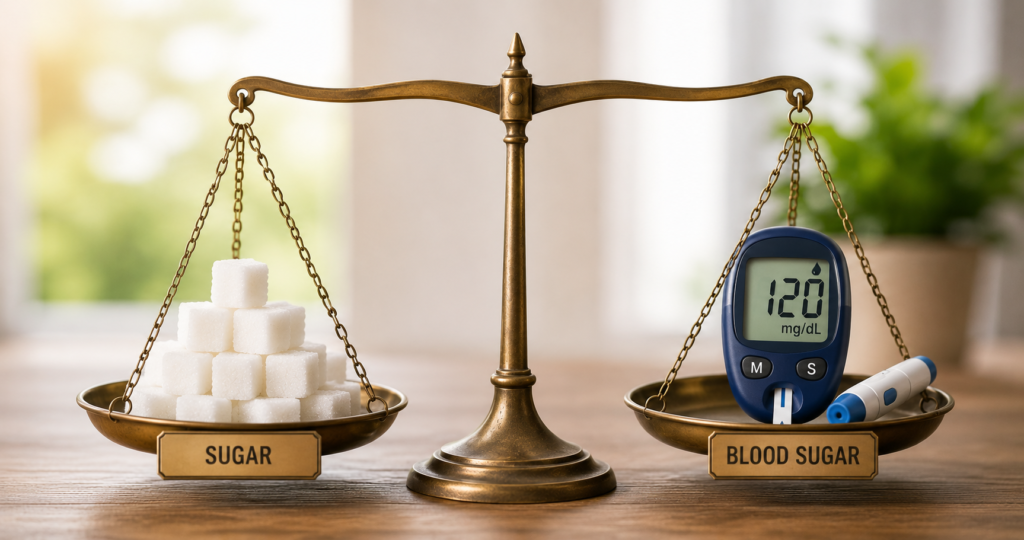
When the body does not produce enough insulin, or cannot use it properly, sugar stays in the bloodstream instead of entering the cells. This causes blood sugar levels to rise.
Over time, high blood sugar levels can affect different parts of the body if it is not monitored properly.
Types of Diabetes
There is more than one type of diabetes, and each type affects the body differently. You’d need to be aware of the type of diabetes to be able to handle and control properly.
1. Type 1 Diabetes
Type 1 Diabetes usually develops at a younger age. It happens when the body stops producing insulin properly. People living with Type 1 Diabetes often need daily insulin treatment to help control blood sugar levels.
Common Signs:-
- Feeling thirsty all the time
- Frequent urination
- Feeling tired often
- Sudden weight loss
- Blurred vision
Healthy Habits That Help:-
– Eating balanced meals regularly
– Monitoring blood sugar levels
– Staying active
– Following medical instructions carefully
Habits to Avoid:-
– Skipping meals
– Ignoring symptoms
– Excess sugary drinks
– Missing insulin doses
2. Type 2 Diabetes
Type 2 Diabetes is the most common type. It usually develops over time and is often linked to lifestyle habits and family history.
In this type, the body struggles to use insulin effectively.
Common Signs:-
- Constant fatigue
- Increased thirst
- Frequent urination
- Slow healing wounds
- Tingling in hands or feet
- Blurred vision
Healthy Habits That Help:-
– Eating more vegetables and fiber-rich foods
– Staying physically active
– Drinking enough water
– Maintaining a healthy weight
Habits to Avoid:-
– Excess fast food and processed snacks
– Sitting for long periods without movement
– Smoking
– Frequent sugary drinks
3. Gestational Diabetes
Gestational Diabetes is the type of diabetes that can happen during pregnancy. It is usually temporary, but it still requires regular monitoring to protect both mother and baby. Many women may not notice clear symptoms, which is why routine follow-up during pregnancy is very important.
Healthy Habits That Help:-
– Following a balanced diet
– Attending regular pregnancy checkups
– Staying active safely
– Monitoring blood sugar levels regularly
Habits to Avoid:-
– Skipping follow-up appointments
– Excess sugar intake
– Self-adjusting medications without medical advice
Warning Signs You Should Not Ignore
No matter the type of diabetes, some symptoms may be your body’s way of asking for attention.
Watch out for:
- Constant thirst
- Frequent urination
- Feeling tired all the time
- Sudden weight changes
- Blurred vision
- Slow wound healing
If these symptoms continue, it is important to seek medical advice and perform proper diabetes tests.
Simple Daily Habits That Support Better Health

Taking care of your blood sugar does not have to feel complicated. Small daily habits can make a big difference.
Eat Balanced Meals
Choose more vegetables, fruits, whole grains, and fiber-rich foods while reducing excess sugar and processed foods.
Stay Active
Even simple movement like walking daily can help your body use sugar more effectively.
Drink Enough Water
Proper hydration supports overall health and helps the body function better.
Get Enough Sleep
Poor sleep can affect blood sugar levels and energy balance.
Reduce Stress
Stress may affect eating habits, sleep, and overall health, so taking time to relax and recharge is important.
Why Diabetes Tests Matter
Regular diabetes tests help detect changes in blood sugar early and allow better follow-up before complications develop.
Some common tests include:
- Fasting Blood Sugar (FBS)
- HbA1c test
- Routine blood sugar monitoring
These tests can help you and your doctor better understand your health condition and whether your blood sugar levels are well controlled.
The Importance of Regular Checkups
Even if you feel well, regular health checkups are one of the best ways to stay reassured and detect problems early.
It is always recommended to maintain monthly or periodical follow-up visits depending on your health condition and your doctor’s advice.
Helpful routine checkups may include:
- Diabetes tests
- Blood pressure check
- Cholesterol and lipid profile
- Kidney function tests
- Eye examinations
- Routine full-body checkups
Regular monitoring helps you stay informed, reassured, and in control of your health.
Diabetes may sound complicated, but understanding it is the first step toward protecting your health.
Whether it is Type 1 Diabetes, Type 2 Diabetes, or Gestational Diabetes, awareness, healthy habits, and regular follow-up can make a real difference.
Your health deserves attention; not only when symptoms appear, but as part of your everyday care and well-being.